Two policies, two functions
When you buy a rural estate there is no single "estate insurance". The normal approach is to distinguish two needs. The first is to protect what the estate produces: crops, plantations, livestock or forest stands. Agricultural insurance exists for that. The second is to protect what is built and your liability as owner: house, barn, warehouse, installations and damage to third parties. That is covered by home, building and public liability insurance. Confusing them is a common mistake: home insurance does not cover a frost on your almond trees, and agricultural insurance does not cover the roof of the house burning.
What combined agricultural insurance is
In Spain, agricultural insurance works within a public-private system called Combined Agricultural Insurance (Seguros Agrarios Combinados). The insurers are grouped in Agroseguro. According to Agroseguro, there are 45 insurance lines, each with its own conditions. According to Agroseguro, today agricultural, livestock, forestry and aquaculture productions are covered against most climate risks, and also livestock accidents and diseases.
How the subsidy works
The Ministry of Agriculture, Fisheries and Food grants a subsidy on the insurance premium through ENESA, and, according to Agroseguro, the amount is applied directly to policyholders at the time of contracting. In addition, the autonomous communities may add subsidies; Agroseguro states that, in the case of Extremadura, that regional subsidy is deducted automatically when you take out the policy. The amount that applies to you depends on the module you choose and the characteristics of your holding, so a fixed figure cannot be given in this guide: ask your insurance broker.
Which risks are insured
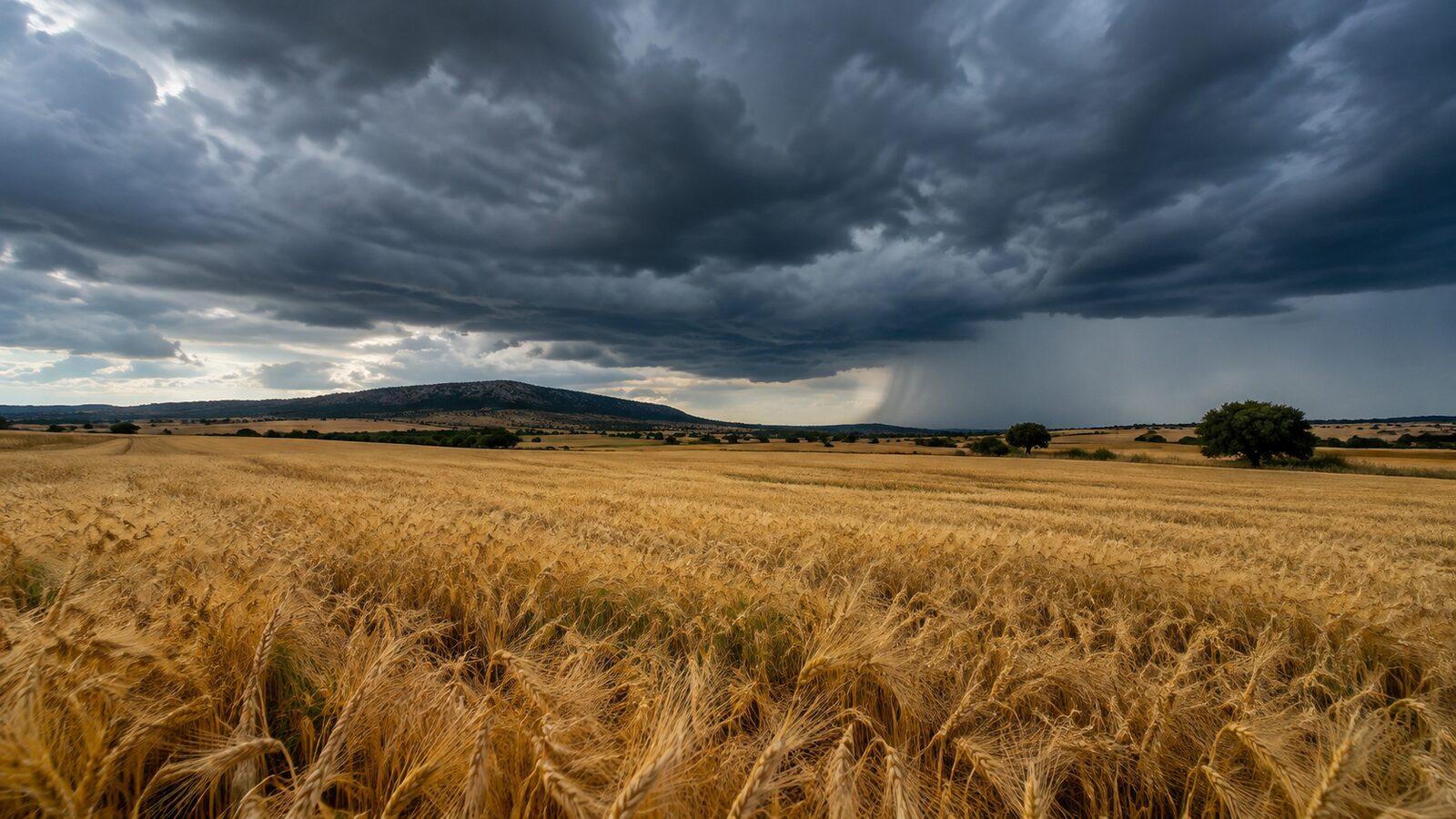
According to Agroseguro, the system covers damage to production caused by unforeseeable, uncontrollable risks with catastrophic consequences. These include most climate risks, such as drought, frost, rainstorms, wind or hail, flood, fire and wildlife, as well as livestock accidents and diseases. There are 45 lines, which group the insurable agricultural, livestock, forestry and aquaculture productions.
The important thing is to read the conditions of the specific line for your crop or livestock, with its guarantees, deductibles and exclusions. Ask your broker what is covered and what is not before taking out a policy.
Deadlines and contracting
Your broker will tell you about the modules and the contracting deadlines for each line, which you should check before each season. If you have the estate under a lease or with CAP subsidies, check that the plot and holder data are correct. The guide on CAP and entitlements when buying an estate helps you understand how they relate.
Insurance for the house and buildings
If the estate has a dwelling or buildings, you need building or home insurance. Look at these questions:
- What it covers: fire, water damage, lightning, theft and weather events.
- Whether it covers the contents, machinery and installations, or only the building.
- Whether buildings without a licence or not registered are excluded.
- What happens if the house is used seasonally or is uninhabited for long periods.
- Public liability: what happens if a visitor or a worker is injured on your estate.
Wildfire and woodland estates
An estate with trees, dehesa or woodland has fire risk, and the owner's responsibility for prevention is significant. Ask your insurer how it treats wildfire, what preventive measures it requires of you and what happens if the fire starts on your land and damages neighbours. Read the guide on wildfire prevention for the owner of an estate.
When insuring is worth it
Insuring has a fixed cost each year and protects against an uncertain loss. It is worth it especially when a large loss would put the holding at risk or when there is financing behind it. An olive grove or fruit orchard with a high initial investment, a herd of considerable value or an estate with a loan are cases where insurance usually makes sense. On a leisure estate without production, agricultural insurance is not needed, but home insurance is. If you lack information to decide, also review the guide on profitability of a rural estate and the one on annual costs of a rural estate.
How to choose well
- Ask for the current insurance plan and compare the lines for your crop or livestock.
- Consult a broker or the comarcal agricultural office.
- Read the deductibles, guarantees and exclusions.
- Note the deadlines for contracting and for reporting claims.
- Keep photos and documentation of the plots and livestock.
If there is a loss
Read in your policy the procedure and deadlines for reporting damage, and notify your broker as soon as possible. Keep photos and documentation of the plots and livestock, because they will help you justify the claim.
Conclusion
Insuring an estate means distinguishing what you want to protect: the production or the buildings. For production, the agricultural insurance system with a premium subsidy is usually the most suitable route; for the house and public liability, a conventional policy. Always compare coverage and exclusions in writing before taking out a policy.